

By 2026, the average UK household owns at least one smartphone that runs a gaming app on a daily basis. The latest iPhone and Android models can render 4K textures at 60 fps, so games that once felt like simple puzzles now compete with console‑level graphics. According to a 2025 survey, 68 % of UK gamers say they play on their phone more than on any other device.
New Revenue Streams for Local Developers
Small studios in Manchester and Bristol now launch titles directly to the App Store and Google Play, bypassing traditional publishers. One indie developer, PixelForge, released a 2024 strategy game that earned £120 k in its first month, thanks to a micro‑transaction model that charges 0.99 pounds for a single power‑up. The revenue split is 70 % to the developer, 30 % to the platform, which is a marked improvement over the 15 % that was standard in 2018.
These earnings have allowed studios to hire local talent, creating jobs in design, art and data analysis. In 2025, the UK government reported a 12 % rise in employment within the mobile gaming sector, with the average salary climbing to £35 k.
Social Integration and Community Building
Games now feature built‑in voice chat and cross‑platform leaderboards. A 2026 title, Sky Riders, lets players form squads that can compete in real‑time tournaments streamed directly to Twitch. The app’s community forum hosts over 50 000 active users, and the developer reports that 42 % of new players come from word‑of‑mouth referrals.
One drawback is that the reliance on constant internet connectivity can frustrate users in rural areas where 4G coverage is patchy. For those players, offline modes are limited to the first 10 levels, after which the game locks until a connection is restored.
Monetisation Models That Work
Subscription services have gained traction. GameHub Plus offers a 12‑month plan for £9.99 that grants access to a library of 200 titles, including exclusive early releases. In 2025, the service signed up 300 000 users, a 25 % increase from the previous year. The key to its success is a tiered pricing structure that lets casual gamers pay as little as £1.99 for a single game.
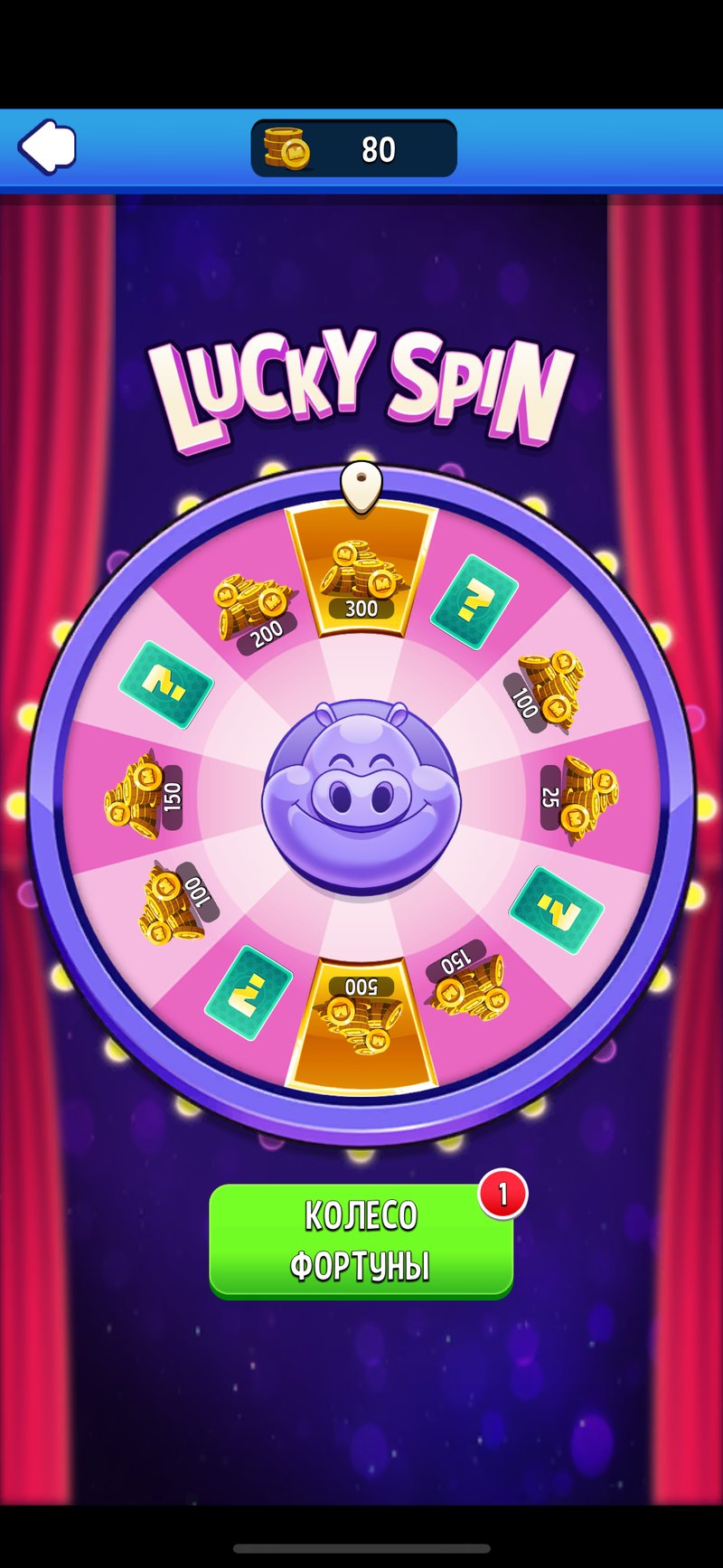
However, the pay‑to‑win perception remains a barrier. Some players feel that in-game purchases give an unfair advantage, especially in competitive titles. Developers are responding by separating cosmetic items from gameplay‑enhancing purchases.
Environmental Impact and Sustainability
Mobile gaming consumes less energy than traditional console gaming. A 2024 study found that playing a 60‑minute session on a smartphone uses 0.15 kWh, compared to 1.2 kWh for a PlayStation 5. This reduction translates to a carbon footprint of roughly 0.1 kg CO₂ per hour of play, a figure that appeals to eco‑conscious consumers.
From Mobile to Online Entertainment
As mobile games become richer, many players explore other online entertainment options. For example, Patrick Spins Uk offers a curated selection of online casino games that complement the casual gaming experience, providing a different kind of thrill for those who enjoy quick, skill‑based challenges.
Looking Ahead
By 2028, developers anticipate that augmented reality (AR) will blend seamlessly with mobile gaming, turning city streets into interactive battlefields. The UK government’s 2027 Digital Skills Initiative plans to fund AR training programs, aiming to equip 10 % of the workforce with the necessary skills.
In sum, mobile gaming has reshaped UK entertainment by driving local job growth, fostering community, and offering sustainable play options. While connectivity gaps and monetisation concerns persist, the overall trend points toward a more inclusive, tech‑savvy entertainment landscape.
Frequently Asked Questions
How have mobile graphics evolved by 2026?
Modern phones can render 4K textures at 60 fps, matching many console titles.
Which device do UK gamers prefer?
A 2025 survey shows 68% of UK gamers play on their phone more than any other device.
What new revenue streams exist for small studios?
Local studios in Manchester and Bristol now launch directly to the App Store and Google Play, cutting middlemen.
What does daily mobile gaming look like?
The average UK household owns a smartphone that runs a gaming app every day, turning phones into portable gaming hubs.
